KING OF THE IRON WILL

A Shakespearean Medieval Drama

ABOUT THE FILM

Synopsis

13:47 | United Kingdom | 2026 | English

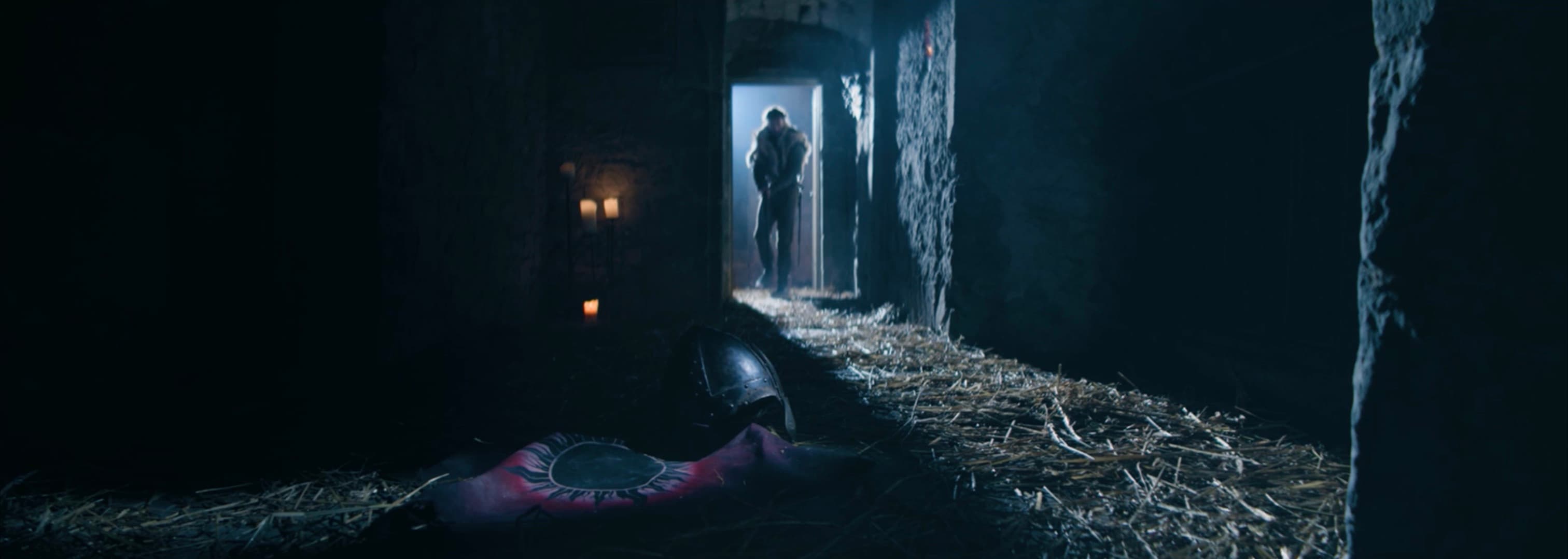
In the aftermath of a brutal rebellion, King Baron has finally defeated King Draven, the tyrant responsible for the massacre of his family and the suffering that has shaped his entire life. With Draven imprisoned and the kingdom awaiting the dawn of a new reign, Baron enters the fallen ruler's chamber determined to deliver justice and bring an end to the past.

But Draven refuses to face death as a conquered man. Instead, he turns their final encounter into a merciless battle of words, forcing Baron to confront the bloodshed, sacrifice and moral compromises that carried him to the throne. As the balance of power begins to shift between captor and captive, Baron must decide whether the crown represents liberation, vengeance, or the beginning of another tyranny.

Written entirely in Shakespearean language, King of the Iron Will is an intimate medieval drama about revenge, grief and the corrupting force of power.

About the Project

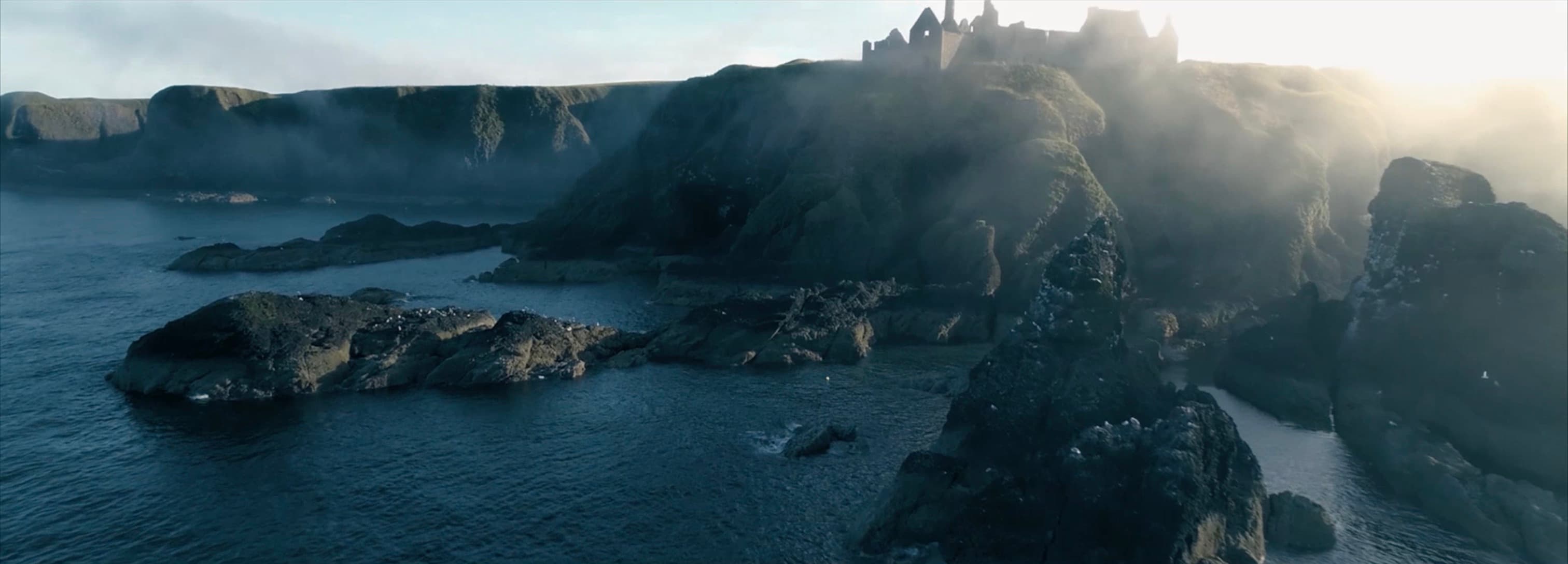
Filmed inside two historic Scottish castles

Filmed inside two historic Scottish castles

King of the Iron Will began as a deeply personal idea created by Liam James Collins, born from his lifelong fascination with Celtic history, medieval storytelling and the relentless pursuit of significance. Collins developed the original concept, produced and executive produced the film, starred as King Baron and personally financed the production without investors, sponsors or external backing. It was conceived as an opportunity to create the kind of ambitious, performance-led cinema he had spent years pursuing as an actor.

The arrival of Scott Vickers transformed that original idea into a close creative partnership. Vickers joined Collins as co-writer and embraced the bold decision to take the screenplay entirely into Shakespearean language. He subsequently became the film's director, co-producer and an essential creative partner, helping to refine the story into a focused cinematic two-hander in which dialogue, silence and performance carry the dramatic weight of a much larger historical epic.

Filmed inside two historic Scottish castles, the film was designed to combine the scale and atmosphere of an epic with the intimacy of a chamber piece. At its centre are two kings, one victorious and one defeated, brought face-to-face after the fall of a kingdom. Stripped of armies and spectacle, their final confrontation becomes a battle over revenge, justice, legacy and what the crown demands from the man who claims it.

Its Shakespearean language is not an imitation of an existing play, but a means of telling an entirely original story with heightened emotional force. For Collins, it also represents an act of reclamation: a rejection of the idea that classical storytelling belongs to any particular class, institution or audience. Together, Collins and Vickers sought to create something immediate, accessible and deeply human.

When a man devotes his life to overthrowing tyranny, what remains of him once victory is finally his?

Cast & Creative Team

Two Kings, One Crown

Assembled around performance: a defiant storyteller, an award-winning director, an actor of rare restraint, a cinematographer of light and texture, and a folk collective whose harmony haunts the score.

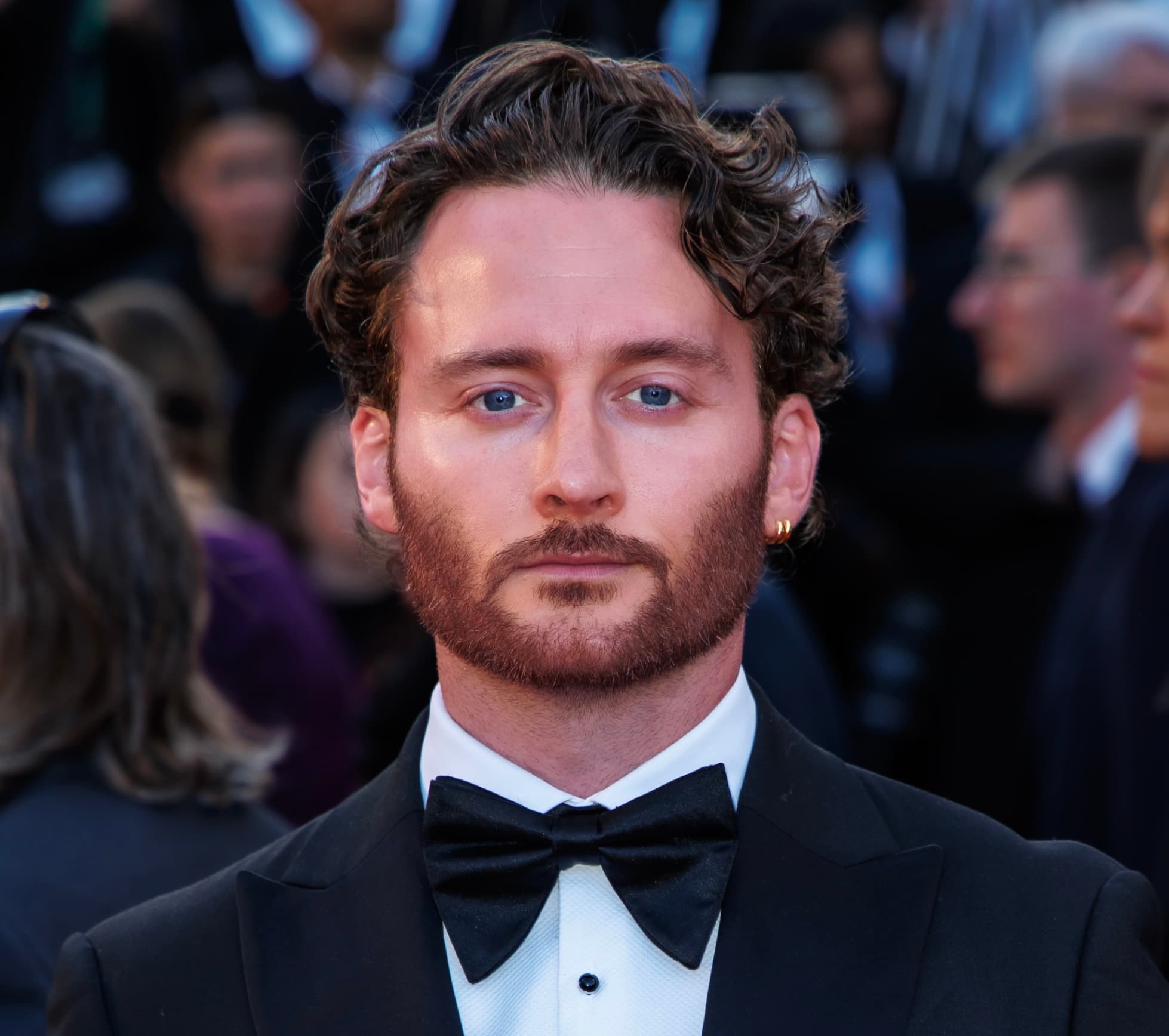
Liam James Collins

Liam James Collins

Creator · Writer · Producer

Exec Producer · Actor: King Baron

Liam James Collins is a British actor and filmmaker from a working-class family in South East London. With no family connections to the arts and no previous performance experience, he decided at 19 that acting would become his life's work, beginning in a small amateur theatre before an audience of five. He later built a successful international business to give that ambition no expiry date, creating the independence to pursue bold work on his own terms. His screen credits include Turncoat, Man of War, Delivery Run, The Outlaws and Little Favour. Collins describes himself as a defiant storyteller who refuses to accept that background should determine which rooms, stories or worlds a person is entitled to enter.

Scott Vickers

Scott Vickers

Writer · Producer · Director

Scott Vickers is an award-winning British filmmaker with nearly three decades of experience across film, television and theatre. Before moving behind the camera, he performed in the West End production of Chicago and appeared in more than 200 episodes of the BBC drama River City. His feature debut, Matriarch, won Best Film at Glasgow Horror Fest and secured international distribution through Lionsgate, Sony Germany and Sky. Drawing on his extensive background as an actor, Vickers has developed a filmmaking style rooted in emotionally truthful performance, visual precision and the belief that the most powerful screen stories begin with human connection.

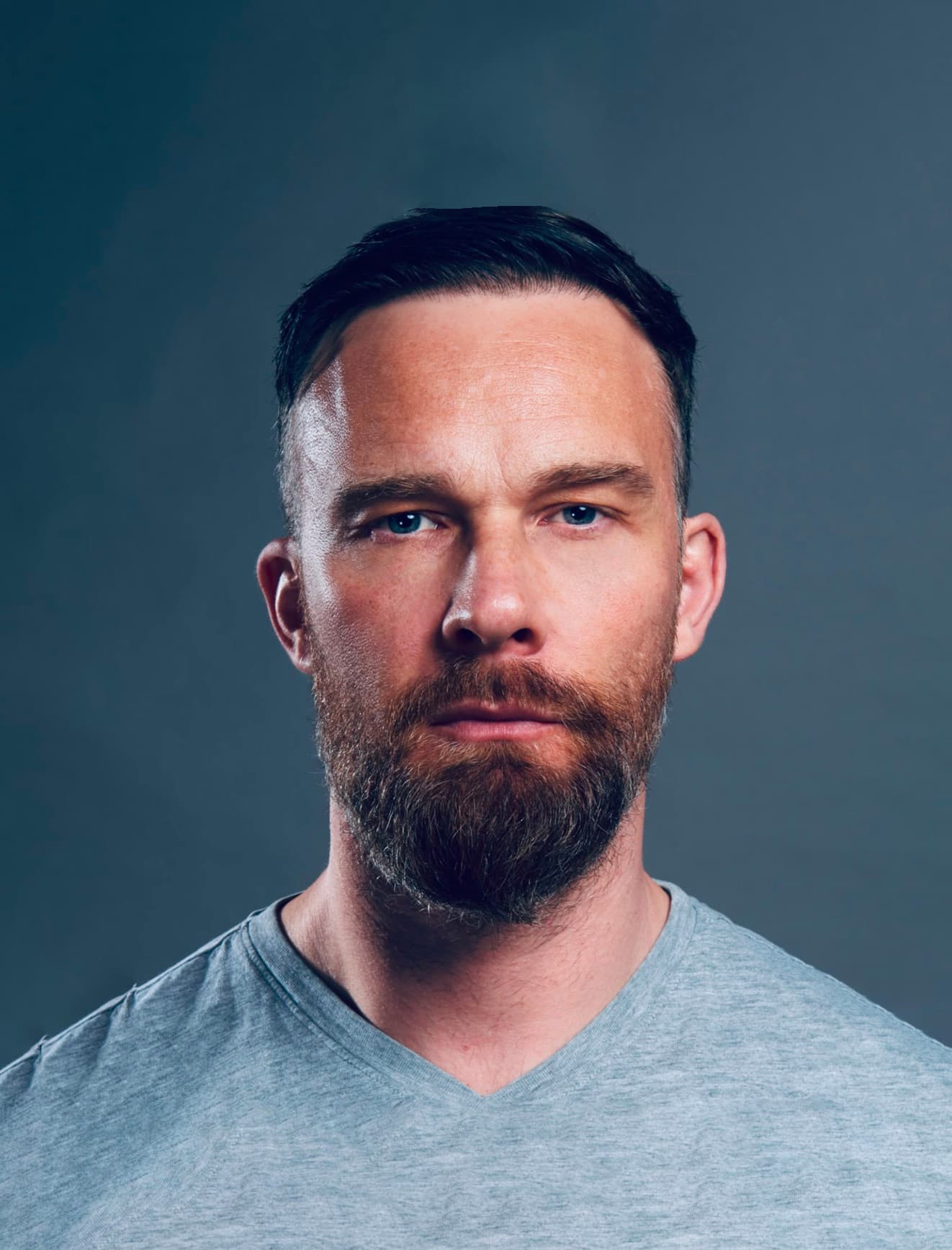
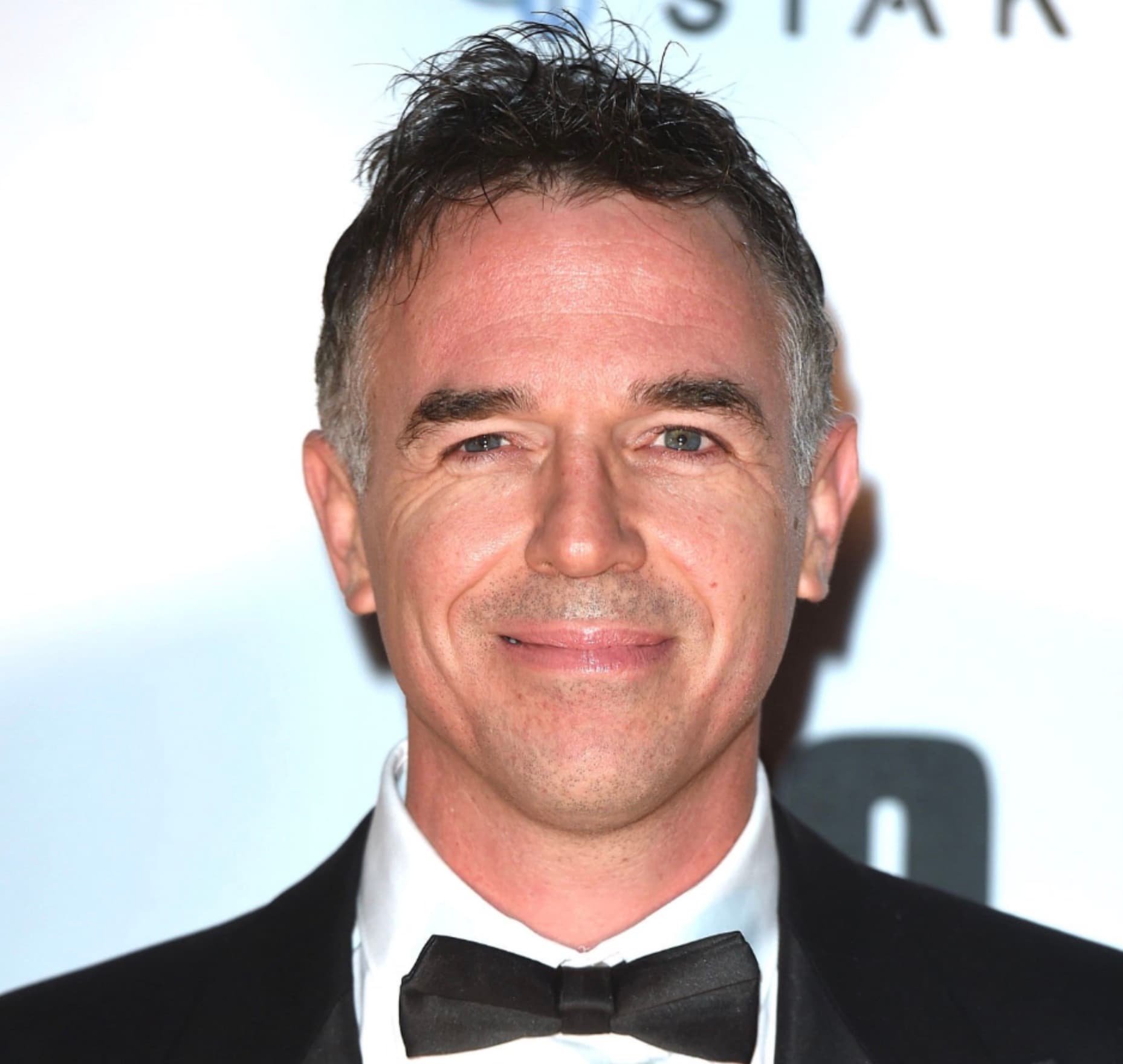
Charlie Creed-Miles

Charlie Creed-Miles

King Draven

Charlie Creed-Miles is an acclaimed British actor whose career has spanned more than three decades across film and television. Known for performances of rawness, restraint and emotional complexity, his credits include Nil by Mouth, The Fifth Element, Harry Brown, Wild Bill and Peaky Blinders. Creed-Miles has built a reputation for bringing depth and unpredictability to morally complex characters, often revealing vulnerability beneath violence or authority. His work is defined by an instinctive screen presence and a commitment to performances that feel grounded, human and entirely lived-in.

Robbie Jones

Robbie Jones

Director of Photography

Robbie Jones is a British cinematographer with more than 15 years of experience across feature films, documentaries, commercials, music and narrative shorts. His credits include the award-winning feature Riptide, the BAFTA New Talent-nominated Last Exit to Ricklesburgh and Irvine Welsh: Reality Is Not Enough, which was selected as the closing gala film of the Edinburgh International Film Festival. He also worked with Danny Boyle and cinematographer Anthony Dod Mantle on 28 Years Later. His work is distinguished by an expressive use of light, colour and texture to deepen the emotion of a story.

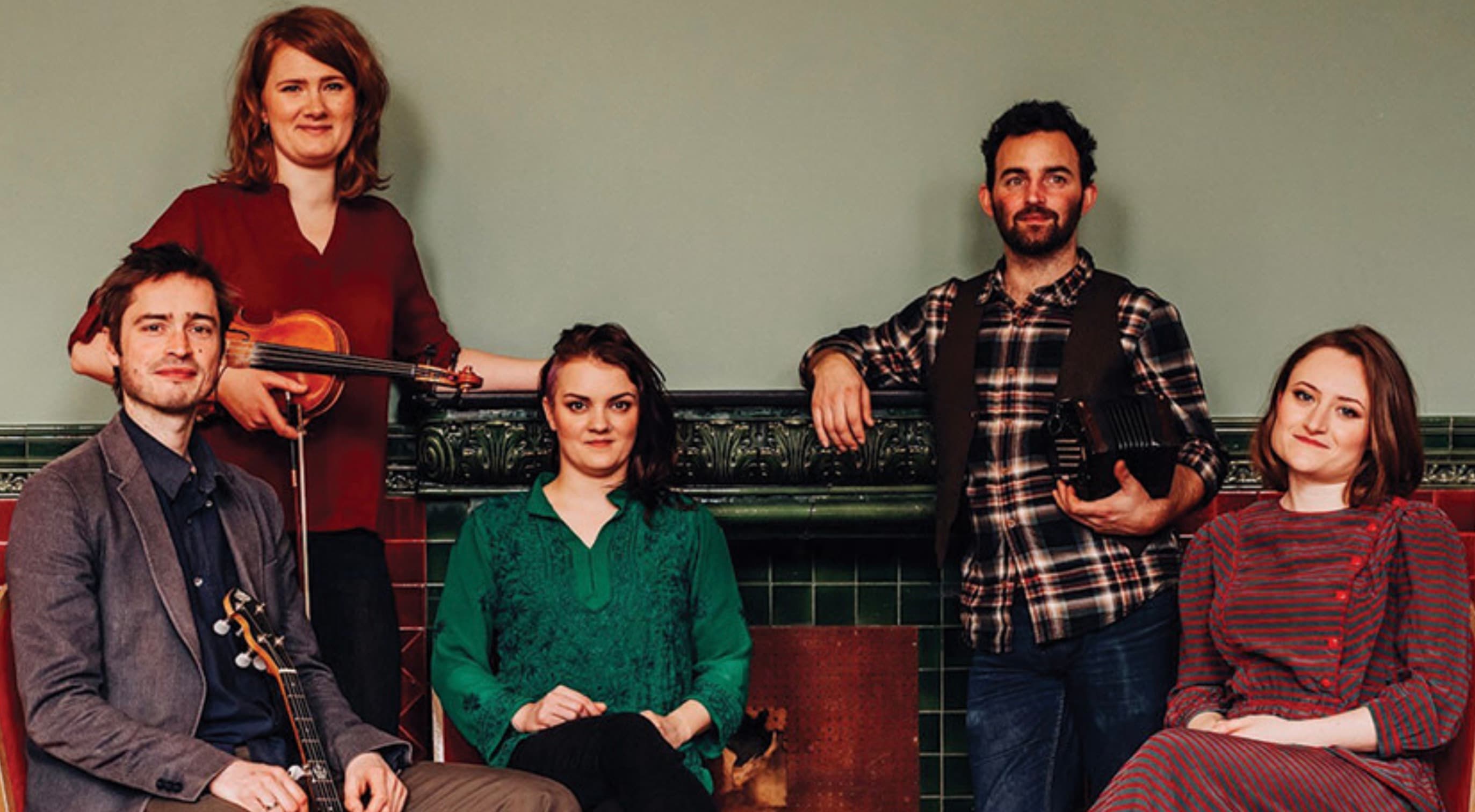
Lady Maisery with Jimmy Aldridge & Sid Goldsmith

Music

Lady Maisery with Jimmy Aldridge & Sid Goldsmith

This acclaimed folk collaboration brings together Lady Maisery's Hazel Askew, Hannah James and Rowan Rheingans and multi-instrumentalists Jimmy Aldridge and Sid Goldsmith. Rooted in traditional music but driven by a distinctly contemporary spirit, their work combines intricate vocal harmony, evocative instrumentation and storytelling shaped by human struggle, collective memory and social conscience. Their celebrated collaborations include Awake Arise and Wakefire, ambitious seasonal works weaving music with poetry, folklore and the natural world.

Their music brings a haunting, elemental quality to King of the Iron Will.